
Explore the promise and peril of AI-powered cybersecurity. Can artificial intelligence truly defend against cyber threats? Learn the benefits & limitations. Read now!
AI Cybersecurity: Can Artificial Intelligence Really Protect Us?
Are you tired of hearing about the latest data breaches and cyberattacks? Do you feel like you're constantly playing catch-up in the ever-evolving world of cybersecurity? Well, you're not alone. As cyber threats become more sophisticated, traditional security measures are struggling to keep up. But what if there was a way to fight fire with fire? Enter AI cybersecurity, a promising frontier that leverages the power of artificial intelligence to defend against digital dangers. But can artificial intelligence really protect us? Let's dive in and explore the potential, challenges, and future of AI in cybersecurity.
The Rise of AI in Cybersecurity
The cybersecurity landscape is changing rapidly. Hackers are using increasingly sophisticated techniques, and the volume of cyberattacks is growing exponentially. According to a report by Cybersecurity Ventures, global cybercrime costs are predicted to reach $10.5 trillion annually by 2025. This makes it more critical than ever to adopt new, innovative approaches to security.
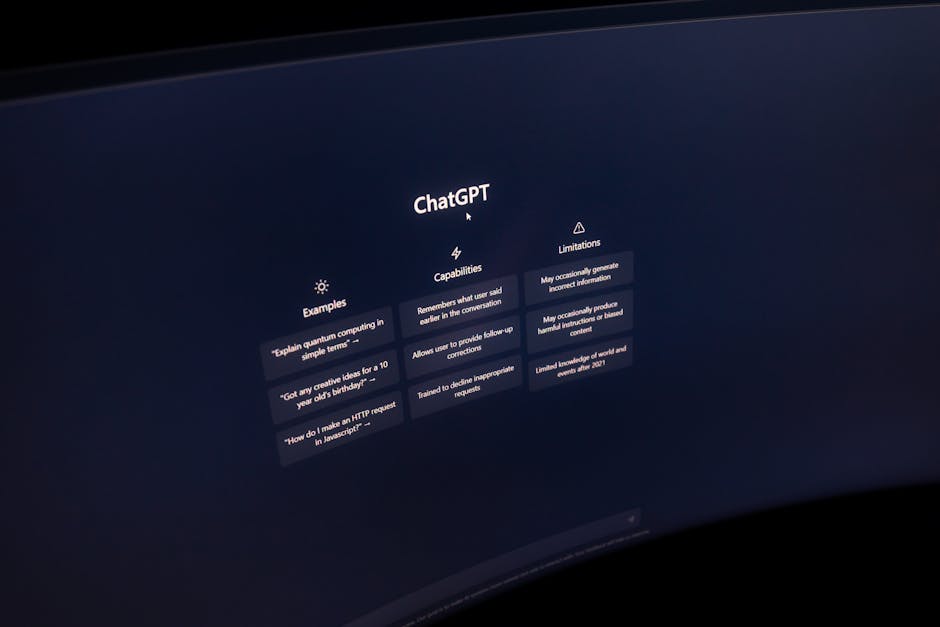 Photo by Matheus Bertelli on Pexels
Traditional cybersecurity relies heavily on human analysts and rule-based systems. However, these methods are often slow, reactive, and unable to handle the sheer volume and complexity of modern threats. This is where artificial intelligence security steps in. AI algorithms can analyze vast amounts of data in real-time, identify patterns that humans might miss, and automate security tasks, making it a game-changer in the fight against cybercrime.
Key Takeaway: AI is emerging as a crucial tool to combat the increasing sophistication and volume of cyber threats, offering capabilities that traditional methods struggle to match.
How AI is Revolutionizing Threat Detection
One of the most significant applications of AI in cybersecurity is in AI threat detection. AI algorithms, particularly those based on machine learning cybersecurity, can be trained to recognize malicious activity by analyzing network traffic, user behavior, and other data sources.
Here's how AI is revolutionizing threat detection:
- Anomaly Detection: AI can identify deviations from normal behavior, flagging potentially malicious activities that might otherwise go unnoticed. For example, if an employee suddenly starts accessing files they've never accessed before, AI can raise an alert.
- Malware Analysis: AI can analyze the code and behavior of suspicious files to determine if they are malware, even if the malware is new and unknown. This is crucial for detecting zero-day exploits.
- Predictive Analysis: AI can predict future attacks by analyzing historical data and identifying trends. This allows security teams to proactively address vulnerabilities and prevent attacks before they happen.
- Automated Incident Response: AI can automate certain aspects of incident response, such as isolating infected systems and blocking malicious traffic, freeing up human analysts to focus on more complex tasks.
Think of it like this: Imagine a security guard trying to monitor thousands of security cameras simultaneously. It's impossible for them to catch everything. But with AI, the security guard has an intelligent assistant that can automatically analyze all the camera feeds, identify suspicious activity, and alert the guard to potential threats.
Key Takeaway: AI-powered threat detection offers superior anomaly detection, malware analysis, predictive analysis, and automated incident response, significantly improving the speed and accuracy of identifying and responding to cyber threats.
Benefits of AI-Powered Cybersecurity
The benefits of cybersecurity AI solutions are numerous and far-reaching. Here are some of the key advantages:
- Enhanced Threat Detection: As mentioned earlier, AI can detect threats that traditional security measures might miss.
- Improved Efficiency: AI can automate many security tasks, freeing up human analysts to focus on more strategic initiatives.
- Faster Response Times: AI can respond to threats in real-time, minimizing the damage caused by cyberattacks.
- Reduced Human Error: AI eliminates the risk of human error, which can often lead to security breaches.
- Scalability: AI solutions can easily scale to meet the demands of growing organizations.
- Cost Savings: By automating security tasks and reducing the risk of breaches, AI can help organizations save money in the long run.
Consider a large enterprise with thousands of employees and devices. Manually monitoring the network for suspicious activity would be a monumental task. But with AI, the enterprise can automatically monitor all devices and network traffic, identify threats in real-time, and respond quickly to minimize the impact of any attacks.
Key Takeaway: AI cybersecurity benefits include enhanced threat detection, improved efficiency, faster response times, reduced human error, scalability, and cost savings, making it a powerful tool for organizations of all sizes.
Limitations and Risks of AI in Security
While the potential of AI in cybersecurity is immense, it's important to acknowledge its limitations and risks. AI in cybersecurity risks are real and need to be addressed.
Here are some of the challenges:
- Data Dependency: AI algorithms require large amounts of data to train effectively. If the data is biased or incomplete, the AI may not perform as expected.
- Complexity: AI systems can be complex and difficult to understand, making it challenging to troubleshoot problems or explain their decisions.
- Adversarial Attacks: Hackers can use adversarial attacks to fool AI systems into misclassifying malicious activity as benign. This involves crafting inputs specifically designed to exploit vulnerabilities in the AI's algorithms.
- Lack of Explainability: Some AI algorithms, such as deep learning models, are "black boxes," meaning it's difficult to understand how they arrive at their conclusions. This can make it challenging to trust their decisions.
- Over-Reliance: Organizations may become overly reliant on AI, neglecting other important security measures.
Furthermore, AI is not a silver bullet. It's not a replacement for human expertise, but rather a tool that can augment human capabilities. Security teams still need skilled analysts to interpret AI's findings, investigate incidents, and develop appropriate responses.
Key Takeaway: Despite its benefits, AI in cybersecurity has limitations, including data dependency, complexity, vulnerability to adversarial attacks, lack of explainability, and the risk of over-reliance. A balanced approach that combines AI with human expertise is crucial.
Ethical Considerations of AI Cybersecurity
As AI becomes more prevalent in cybersecurity, it's important to consider the ethical implications.
Some of the key ethical considerations include:
- Privacy: AI systems often collect and analyze large amounts of data, raising concerns about privacy. It's important to ensure that data is collected and used ethically and in compliance with privacy regulations.
- Bias: AI algorithms can be biased if the data they are trained on is biased. This can lead to unfair or discriminatory outcomes.
- Transparency: It's important to be transparent about how AI systems are used and how they make decisions. This can help build trust and ensure accountability.
- Accountability: It's important to establish clear lines of accountability for the decisions made by AI systems. Who is responsible if an AI system makes a mistake?
- Job Displacement: The automation of security tasks by AI could lead to job displacement for security professionals. It's important to consider the impact of AI on the workforce and provide training and support for workers who may be affected.
 Photo by cottonbro studio on Pexels
It is essential to develop ethical guidelines and regulations for the use of AI in cybersecurity to ensure that it is used responsibly and in a way that benefits society as a whole.
Key Takeaway: Ethical considerations surrounding AI cybersecurity, including privacy, bias, transparency, accountability, and job displacement, must be addressed to ensure responsible and beneficial use.
The Future of AI and Cybersecurity
The future of AI and cybersecurity is bright. As AI technology continues to evolve, we can expect to see even more innovative applications of AI in security.
Some of the trends to watch include:
- AI-Powered Threat Hunting: AI will be used to proactively hunt for threats that have evaded traditional security measures.
- Autonomous Security Systems: AI will be used to create autonomous security systems that can automatically detect, respond to, and remediate cyberattacks without human intervention.
- AI-Driven Vulnerability Management: AI will be used to identify and prioritize vulnerabilities based on their potential impact and likelihood of exploitation.
- Quantum-Resistant AI: As quantum computing becomes more prevalent, AI will be used to develop quantum-resistant security algorithms.
- AI for Cybersecurity Education: AI will be used to create personalized cybersecurity training programs that adapt to the individual needs of learners.
The convergence of AI and cybersecurity will lead to more resilient, proactive, and adaptive security systems that can effectively defend against the ever-evolving threat landscape.
Key Takeaway: The future of AI in cybersecurity promises advancements in threat hunting, autonomous security systems, vulnerability management, quantum-resistant AI, and cybersecurity education, leading to more resilient and proactive security measures.
Choosing the Right AI Cybersecurity Solution
Choosing the right AI cybersecurity solution can be daunting, given the wide range of options available. Here are some tips to help you make the right choice:
- Define Your Needs: What are your specific security challenges? What are you hoping to achieve with AI?
- Assess Your Data: Do you have enough data to train an AI system effectively? Is your data clean and accurate?
- Evaluate the Vendor: Does the vendor have a proven track record in AI cybersecurity? Do they have the expertise and resources to support your needs?
- Consider the Explainability: How transparent is the AI system? Can you understand how it makes decisions?
- Test the Solution: Before you commit to a solution, test it in your own environment to see how it performs.
- Think Long-Term: Choose a solution that is scalable and adaptable to meet your evolving security needs.
 Photo by Ron Lach on Pexels
Remember, AI is not a magic bullet. It's a tool that can be used to enhance your security posture, but it's not a replacement for human expertise and other security measures.
Key Takeaway: When choosing an AI cybersecurity solution, define your needs, assess your data, evaluate the vendor, consider explainability, test the solution, and think long-term to ensure it aligns with your organization's security goals and capabilities.
Conclusion
AI cybersecurity is revolutionizing the way we protect ourselves from cyber threats. While it's not a silver bullet, AI offers significant advantages over traditional security measures, including enhanced threat detection, improved efficiency, and faster response times. By understanding the benefits, limitations, and ethical considerations of AI in security, you can make informed decisions about how to leverage this powerful technology to protect your organization.
Ready to take the next step in securing your digital assets with the power of AI? Contact us today for a consultation and let us help you find the perfect AI cybersecurity solution for your needs. Don't wait until it's too late – start protecting yourself now!
FAQ
Q1: Is AI cybersecurity a replacement for human security analysts?
No, AI is not a replacement for human security analysts. It's a tool that can augment human capabilities and automate certain tasks, but human analysts are still needed to interpret AI's findings, investigate incidents, and develop appropriate responses.
Q2: How much data is needed to train an AI cybersecurity system?
The amount of data needed depends on the complexity of the AI system and the specific security challenges you are trying to address. However, in general, AI algorithms require large amounts of data to train effectively.
Q3: What are some of the risks of using AI in cybersecurity?
Some of the risks include data dependency, complexity, vulnerability to adversarial attacks, lack of explainability, and over-reliance on AI.
Q4: How can I ensure that my AI cybersecurity system is ethical?
To ensure that your AI cybersecurity system is ethical, it's important to consider the ethical implications of its use, including privacy, bias, transparency, accountability, and job displacement. Develop ethical guidelines and regulations for the use of AI in cybersecurity to ensure that it is used responsibly and in a way that benefits society as a whole.
Q5: What is the future of AI in cybersecurity?
The future of AI in cybersecurity is bright, with advancements expected in threat hunting, autonomous security systems, vulnerability management, quantum-resistant AI, and cybersecurity education. The convergence of AI and cybersecurity will lead to more resilient, proactive, and adaptive security systems.